
Understanding the Psychology of Bluffing
Bluffing is an intrinsic part of poker that extends beyond mere technique; it delves into the psychological dynamics between players. Understanding your opponents’ mindsets is crucial. Players often exhibit specific tells—subtle behaviors that can reveal their confidence or uncertainty about their hand. For instance, a player who suddenly becomes tense when you raise may be hiding a weak hand, providing you with a critical opening to bluff effectively. Additionally, those who enjoy online gaming may find platforms offering a crypto casino instant withdrawal feature advantageous, as it allows quick access to their winnings while recognizing these psychological cues allows you to exploit your opponents’ weaknesses while maintaining the confidence needed to execute a successful bluff.
Furthermore, bluffing is not just about deceit; it’s about storytelling. Every bet you place should narrate a convincing story to your opponents. If you’re holding a poor hand, but your actions suggest otherwise, you need to ensure that your betting pattern aligns with the narrative you are crafting. A sudden large bet may indicate strength, but if you’ve established a pattern of smaller bets throughout the game, this inconsistency can lead your opponents to doubt your assertion. Mastering this blend of psychology and strategy is fundamental to becoming a proficient bluffer.
Moreover, recognizing the emotional state of both yourself and your opponents is vital. If a player has recently lost a significant hand, they may become more hesitant or overly aggressive, presenting unique opportunities for bluffing. Conversely, in such instances, you must monitor your own emotional response, ensuring that you remain calm and composed. Effective bluffing requires a clear head and confidence. Thus, understanding both your psyche and that of your opponents allows you to navigate the intricacies of the game artfully.
Choosing the Right Moments to Bluff
Timing is everything in poker, especially when it comes to bluffing. Identifying the most opportune moments to initiate a bluff can significantly influence your success rate. For example, bluffing on the river—when the final community card is dealt—can be particularly effective if the board presents a scenario that suggests strong hands, but you have nothing. If the community cards show a potential flush or straight, players may assume someone has hit their hand, allowing you to represent a stronger hand convincingly. Timing your bluffs to align with the community cards can create the perfect storm for deception.
In addition to the board’s context, your table image plays a critical role in determining when to bluff. If you’ve previously played conservatively and shown strong hands, your opponents will be more inclined to believe your bluffs. Conversely, if you’ve been caught bluffing multiple times, they may call your bets on instinct alone. Establishing and maintaining a table image is vital in deciding when to bluff. A well-timed bluff, when players perceive you as tight or conservative, can lead to significant winnings.
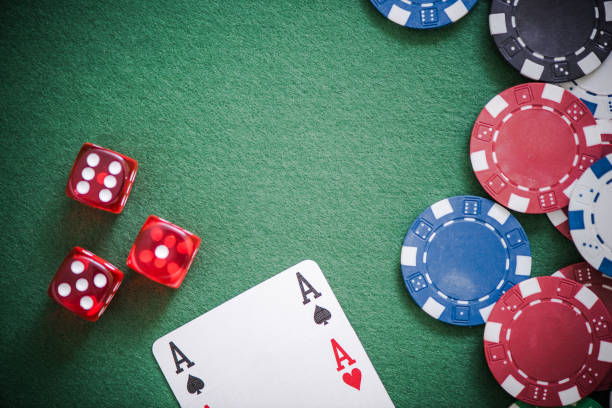
A strong technique is to adopt a semi-bluffing strategy in certain scenarios. Semi-bluffing allows you to maintain the possibility of improving your hand while presenting the appearance of strength. For instance, if you have a drawing hand, you can bet aggressively; if you hit your draw on later streets, you now have a real hand to back up your earlier bluff. This dual approach not only builds your bluffing credibility but also maintains flexibility in your game strategy, striking a balance between aggression and caution.
Adapting Your Bluffing Techniques
Bluffing techniques are not one-size-fits-all; they must adapt to different game formats, tables, and opponents. In cash games, players tend to be more conservative, as they aim to minimize losses; thus, bluffing may be more effective when targeting overly cautious players. In contrast, tournament settings can lead to more aggressive play, where players may be desperate to accumulate chips or survive eliminations. Understanding the unique dynamics of each game format will inform how you approach bluffing, allowing for tailored strategies that fit the specific circumstances.
Additionally, the number of players at the table influences your bluffing strategy significantly. Bluffing in a full-ring game requires a different approach than in a short-handed game. In a full-ring setup, players may have stronger hands more frequently, making successful bluffs less likely. Here, you might opt for fewer bluffs, focusing instead on value betting when holding strong hands. In contrast, in a short-handed situation, there’s a higher likelihood that opponents are playing weaker hands, providing a fruitful landscape for bluffing and aggressive play.
Lastly, your own playing style should dictate your bluffing methods. Passive players might benefit from more straightforward bluffs that rely on betting patterns rather than aggressive posturing, while aggressive players can leverage their style to intimidate opponents into folding. Evaluate how you typically play and adjust your bluffing accordingly, ensuring that your tactics remain cohesive by maintaining a consistent approach throughout the game. A well-rounded poker player adapts their bluffing techniques to complement their playing style effectively.
Reading Opponents for Successful Bluffing
To bluff successfully, reading your opponents becomes an essential skill. Observing their betting patterns, reactions to various situations, and their overall temperament at the table can provide you with insights into their hand strength. For example, if a player checks frequently, they may be weak or uncertain, presenting a prime opportunity for you to assert dominance through bluffing. However, a player who consistently raises could indicate confidence, suggesting that your bluff may not be taken seriously. The art of bluffing relies heavily on understanding these nuances in your opponents’ behavior.
Emotional intelligence also plays a pivotal role in gathering information about your opponents. At a poker table, some players may exhibit signs of frustration or distress after a bad hand, altering their usual playing style. Recognizing these emotions allows you to adjust your strategy and timing for bluffing, as desperate players might either fold more easily or become overly aggressive, both of which can be manipulated to your advantage. Cultivating an ability to read emotions, alongside physical behaviors, adds depth to your bluffing toolkit.
Furthermore, engaging in active observation throughout the game will enhance your ability to read opponents effectively. Take note of how frequently players enter pots, their position at the table, and their willingness to call bluffs. By accumulating this information over time, you can create a mental database of your opponents’ tendencies, which can inform your strategies in future games. Awareness of these patterns is crucial, as it not only enhances your bluffing potential but also fortifies your overall playing strategy across various game scenarios.
Explore More Strategies on Our Website
For those eager to enhance their poker skills, especially in the art of bluffing, our website offers a wealth of resources designed to elevate your game. We provide in-depth articles, video tutorials, and expert insights that cover various aspects of poker, including strategic bluffing techniques, psychological tactics, and how to identify tells. Engaging with our content will bolster your understanding of the game, allowing you to make informed decisions and read your opponents more effectively.
Our community is another valuable aspect of our site. You can connect with experienced players who share their insights and experiences, fostering an environment of learning and growth. Participating in forums or discussion boards will enable you to exchange strategies and receive feedback on your gameplay, especially concerning bluffing maneuvers. By immersing yourself in our community, you’ll gain diverse perspectives that will undoubtedly enhance your bluffing skills.
In conclusion, mastering the art of bluffing in poker is an intricate mixture of psychology, strategy, and awareness. With our comprehensive range of resources at your disposal, you can refine your skills and approach the poker table with newfound confidence and expertise. Elevate your game today and discover the multifaceted tactics that can turn you into a formidable player in any poker setting.