
The allure of gambling and its psychological triggers
Gambling captivates individuals through various psychological triggers that tap into human emotions and desires. The thrill of risk-taking and the potential for reward create a unique cocktail of excitement that many find irresistible. This allure often stems from the brain’s reward pathways, which release dopamine—a neurotransmitter associated with pleasure—when individuals win, leading to a cycle of repeated behavior and heightened anticipation for future wins, especially at a well-regarded non gamstop uk casino where the stakes feel higher and the rewards more enticing. The excitement from the possibility of winning, coupled with the emotional highs from occasional successes, makes gambling a compelling pursuit for many.
Moreover, the environment in which gambling occurs plays a crucial role in enhancing this allure. Casinos and betting establishments are designed to stimulate the senses and create an atmosphere of excitement. Bright lights, vibrant colors, and even the sound of coins clinking are strategically utilized to engage patrons, making them feel as if they are in an exhilarating world devoid of worries. This immersive experience further amplifies the emotional highs associated with gambling, creating a sense of urgency and thrill that keeps players coming back for more.
The concept of intermittent reinforcement is also pivotal in understanding gambling behavior. Unlike more predictable rewards, the sporadic nature of winning keeps players engaged and hopeful, as they believe that success is just one bet away. This unpredictability reinforces the behavior, as players continuously chase that next big win, leading to a cycle that can be hard to break. As individuals experience the exhilaration of winning, they often overlook the losses, further entrenching them in the gambling experience.
The role of cognitive biases in gambling decisions
Cognitive biases significantly influence gambling behavior, often leading individuals to make irrational decisions. One common bias is the illusion of control, which leads gamblers to believe they can influence the outcome of games based on skill or strategy, even in purely random events like slots or roulette. This false sense of control can encourage more frequent gambling and larger bets, as individuals become convinced of their ability to sway results in their favor. For example, a player might feel that their specific betting strategy can overcome the odds, leading them to gamble more recklessly.
Confirmation bias also plays a major role, where individuals tend to remember their wins while forgetting their losses. This selective memory reinforces their belief in favorable outcomes and encourages them to continue gambling, despite the actual odds being against them. Such cognitive distortions can perpetuate a cycle of gambling that some individuals find hard to escape. The focus on wins can overshadow the significant losses, creating an illusion of being a successful gambler when, in reality, the opposite is true.
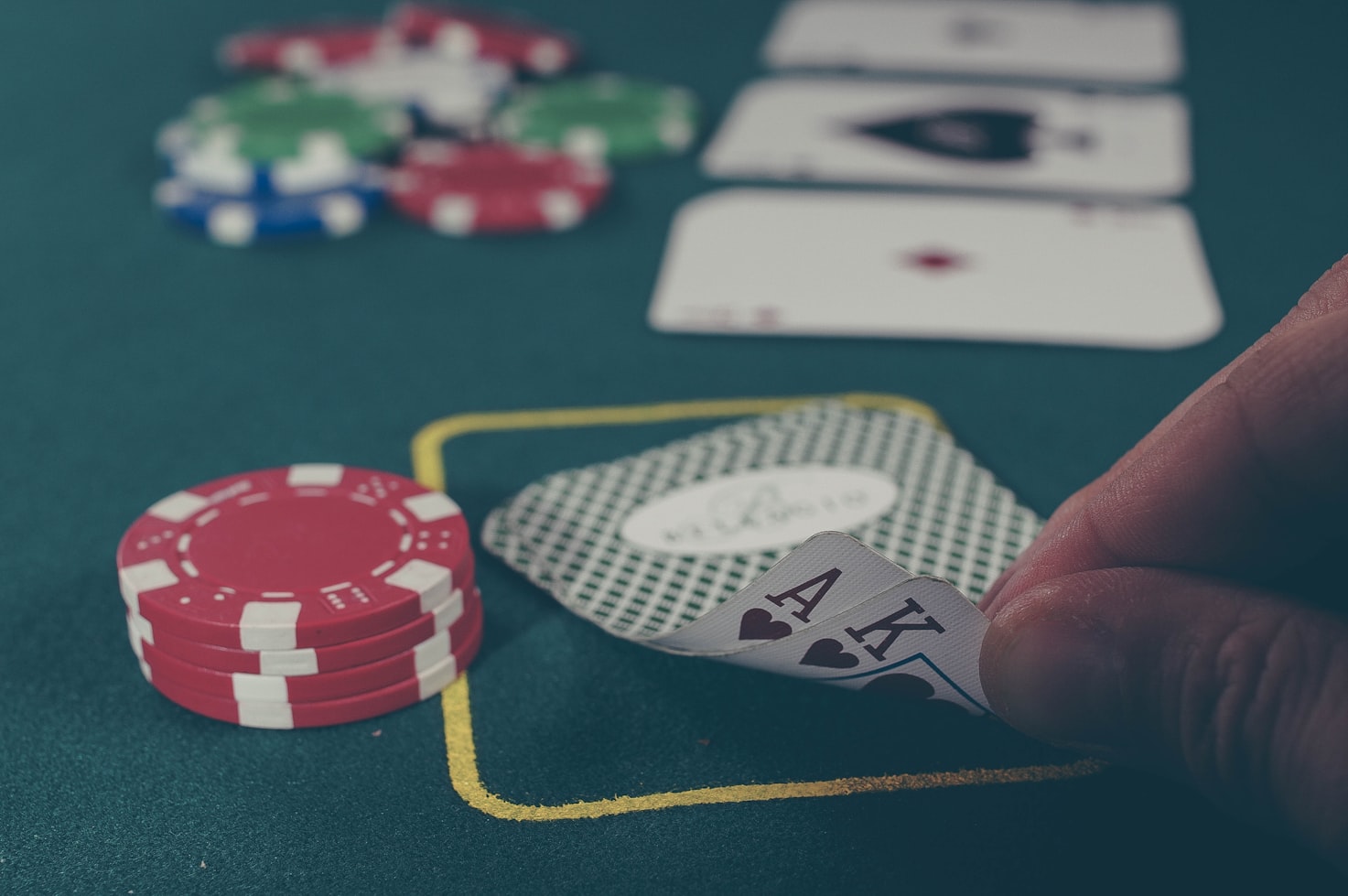
Lastly, gamblers often fall victim to the gambler’s fallacy, which is the belief that past events can influence future outcomes in random situations. For example, some may think that a slot machine is “due” for a payout after a series of losses, leading them to gamble more in hopes of cashing in on a future win. Recognizing these cognitive biases is essential for understanding the psychological aspects of gambling behavior and developing strategies to mitigate their negative impacts. By addressing these biases, individuals may be able to make more rational decisions regarding their gambling habits.
Identifying signs of gambling addiction
Recognizing gambling addiction is crucial for timely intervention and recovery. One significant sign includes a preoccupation with gambling activities, where individuals frequently think about their next bet or strategize ways to get money for gambling. This constant focus on gambling can lead to neglecting personal relationships, work responsibilities, and other essential aspects of life. When gambling becomes a primary focus, it often indicates a deeper psychological issue that may require professional help.
Another indicator is the difficulty in controlling or stopping gambling behaviors despite negative consequences. Individuals may find themselves lying to loved ones, borrowing money, or engaging in deceptive practices to fund their gambling habits. As these behaviors escalate, they can lead to financial instability, strained relationships, and even legal issues. The repercussions of addiction extend beyond the individual, affecting families and communities, highlighting the importance of recognizing these signs early.
Additionally, emotional signs such as anxiety, irritability, or restlessness when trying to cut back on gambling can further signal addiction. These feelings can create a vicious cycle where individuals gamble more to escape negative emotions, perpetuating their dependence. Seeking help and recognizing these signs early on can pave the way for recovery and a healthier relationship with gambling. The sooner individuals acknowledge their struggles, the better their chances for successful intervention and long-term recovery.
Impact of gambling on mental health
The relationship between gambling and mental health is intricate and often cyclical. Individuals who engage in excessive gambling are at a heightened risk for various mental health disorders, including anxiety, depression, and substance abuse. The stress associated with financial losses and the pressure to recover from debts can exacerbate these issues, leading to a decline in overall well-being. As individuals grapple with the consequences of their gambling behavior, their mental health can deteriorate, creating a dangerous feedback loop.

Moreover, gambling can serve as an unhealthy coping mechanism for underlying psychological issues. Many individuals gamble to escape stress, trauma, or emotional pain, seeking temporary relief in the thrill of betting. However, this often leads to an exacerbation of those emotions, creating a reliance on gambling as a form of escapism rather than addressing the root causes of their mental health struggles. This reliance further complicates their psychological state, making it more challenging to seek help or change behaviors.
As such, mental health professionals emphasize the importance of addressing both gambling behavior and mental health simultaneously. Therapeutic approaches that focus on cognitive-behavioral therapy can help individuals challenge cognitive distortions related to gambling and promote healthier coping mechanisms, ultimately leading to improved mental health and long-term recovery. By integrating mental health support with gambling addiction treatment, individuals can achieve a more holistic approach to their recovery journey.
Resources and support for individuals affected by gambling
Various resources and support systems exist for individuals struggling with gambling behaviors and those affected by someone else’s gambling. Many organizations offer confidential helplines, support groups, and counseling services tailored to individuals seeking help. These platforms provide a safe space for individuals to share their experiences and gain insights from others facing similar challenges, fostering a sense of community and understanding. Connecting with others who share similar struggles can be a vital step in the recovery process.
Educational materials are also widely available, helping individuals understand the psychological elements behind gambling behavior. These resources often include information on cognitive biases, risk factors, and strategies to minimize gambling’s impact on life. By increasing awareness of these aspects, individuals can better equip themselves to make informed decisions about their gambling habits. Knowledge is a powerful tool in combating addiction, as it allows individuals to recognize harmful patterns and seek appropriate help.
Furthermore, therapy and professional counseling are essential components of recovery for those grappling with gambling addiction. Therapists trained in addiction recovery can guide individuals through their emotional challenges and help them develop healthy coping strategies. Engaging in these resources can lead to lasting change and improved mental health, empowering individuals to reclaim control over their lives. By utilizing available support systems, individuals can embark on a transformative journey toward a healthier relationship with gambling and life overall.